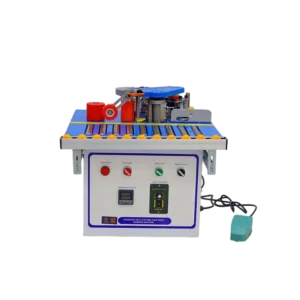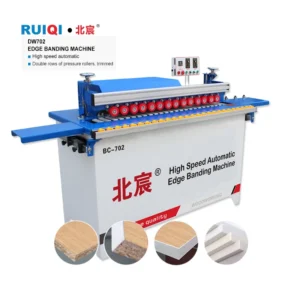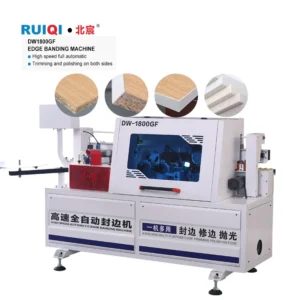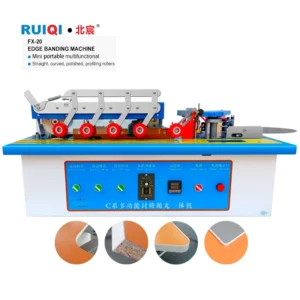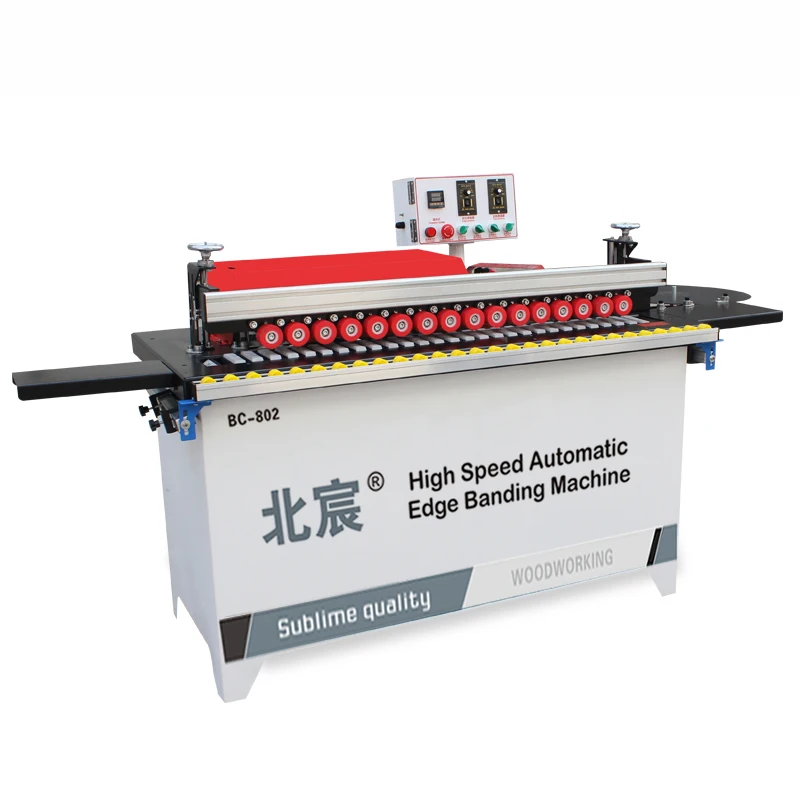
Edge banding machine
Click to enlarge
ISO 9001
CE Certified
OEM / ODM
12-Mo Warranty
Edge banding machine
Automatic Edge Banding Machine with Motor Bearing PLC for MDF and Plywood
<p><strong>DW802 Automatic Edge Banding Machine, 220V/380V, 0.3–3MM Edge Thickness</strong> — completes gluing, head-and-tail trimming, and polishing in one pass for MDF, particleboard, plywood, and solid wood panels. Glue behaviour and trimming response vary across substrates; this model provides a controlled glue path with dedicated stations tuned for furniture-grade edge quality on boards down to 25CM length. Sample edge banding tests on your specific substrate and banding material are recommended before ordering.</p>
100+
Countries
MOQ 1
Unit
15-25 Days
Lead Time
Automatic Head And Tail Cutting
DW802
Edge Banding Machine
MDF Panel
PLC Control
Plywood Edge Sealing
Process And Application
- Full OEM/ODM support -- custom logo, voltage (110V-440V), multilingual panels
- ISO 9001 & CE certified, 5 national patents, 60 professional engineers
- 12-month warranty, remote technical support & spare parts service
- Professional export packaging, customs clearance support, on-time delivery
Controlled Glue Path — The DW802 edge banding machine applies adhesive through a regulated 4000ml glue pot, maintaining consistent temperature across MDF, particleboard, and plywood substrates during continuous production runs.
Technical Specifications
| Parameter | Value |
|---|---|
| Model | DW802 |
| Product Type | Automatic Edge Banding Machine |
| Total Power | 4200W |
| Voltage & Frequency | 220V/380V/customization (basis to be confirmed) |
| Edge Banding Height Range | 0–50MM |
| Edge Banding Thickness Range | 0.3–3MM |
| Minimum Sheet Length | 25CM |
| Minimum Sheet Width | 10CM |
| Glue Pot Capacity | 4000ml |
| Edge Feed Power | 140W |
| Transmission Power | 140W |
| Trimming Power | 800W × 2 |
| Polishing Power | 180W × 2 |
| Vacuum Power | 1200W |
| Air Source Pressure | 0.4–0.8 MPa |
| Overall Dimensions (L×W×H) | 130 × 60 × 95 CM |
| Net Weight | 135 KG |
| Standard Functions | Edge banding, trimming, polishing, automatic head and tail cutting, with vacuum |
| Control Panel Language | Chinese, English; customizable to Spanish or other languages |
| Plug Options | EU, USA, AU, UK |
| Assembly State | Fully assembled |
Application Suitability
| Application | Material or Output |
|---|---|
| Cabinet panel edge sealing | MDF and particleboard with PVC or melamine banding |
| Interior fitting production | Ecological board and plywood with veneer or PVC edging |
| Custom furniture components | Solid wood panels with 0.3–3MM banding material |
| Home decoration joinery | Mixed substrate batches requiring consistent edge finish |
| Small workshop panel finishing | Boards as short as 25CM with automatic head-and-tail trimming |
Why Substrate Choice Changes Everything About the Edge Banding Process and Application DW802
The glue behaves differently on every board you feed through the machine.
I spent three days in a Lagos cabinet factory watching an edge bander produce visible glue lines on particleboard while the same machine ran clean on MDF. The problem was not the machine — it was that nobody had confirmed the substrate before the order shipped. Particleboard absorbs adhesive at a different rate than MDF, and the glue temperature that works for melamine banding on plywood will leave starved joints on porous chipboard. The DW802’s 4000ml glue pot holds a steady thermal mass, but the operator still needs to dial in the correct temperature for the specific board and banding combination in use [NEED_CITE: adhesive behaviour on wood-based panel substrates]. This edge banding process and application DW802 review starts with that reality, because no specification sheet tells you what the glue line looks like until a sample panel comes off the machine.
How the Glue Station Manages Substrate Variation
The edge banding process and application DW802 sequence begins at the glue pot, where 4000ml of adhesive maintains thermal stability across a production run. On MDF, the surface is dense and non-porous, so the glue spreads thinly and bonds quickly under pressure. Particleboard behaves differently — its open structure absorbs more adhesive, which means the operator must run a thicker glue film or raise the pot temperature slightly to maintain bond strength. The DW802’s glue application system delivers a consistent bead, but the correct setting depends entirely on the substrate and banding material combination your workshop processes most often.
Trimming and Polishing Across Different Banding Materials
Once the band is applied, the integrated trimming station (800W × 2 motors) cuts the excess material flush with the panel face. PVC banding at 2MM thickness requires a different trimming approach than 0.4MM melamine — the cutter geometry and feed pressure must account for the material’s rigidity. The polishing station (180W × 2) then smooths the trimmed edge. On veneer banding, this stage is critical because any chatter mark from trimming becomes visible once stain or lacquer is applied. The DW802 handles the full 0.3–3MM thickness range in a single pass, but the operator must verify that the trimming depth and polishing pressure are set correctly for each banding type before running a full batch [NEED_CITE: edge banding trimming parameters for PVC and veneer materials].
Reading the Specification Sheet Against Your Production Reality
The DW802 lists 4200W total power, distributed across edge feed, transmission, trimming, polishing, and vacuum functions. The vacuum system at 1200W extracts trimming waste and dust at the cutting point, which matters in a small workshop where airborne particle accumulation affects both operator health and glue adhesion on subsequent panels. The air source pressure requirement of 0.4–0.8 MPa drives the pneumatic actuators for head-and-tail cutting and trimming arm engagement. Before ordering, confirm that your compressor can sustain this pressure continuously — a compressor that dips below 0.4 MPa during high demand will cause inconsistent trimming cuts and incomplete tail snips. The edge banding height range of 0–50MM covers standard furniture panel thicknesses, while the minimum sheet dimensions (25CM length, 10CM width) define the smallest component the machine can process.
What Happens When Configuration Is Skipped
A workshop in South Asia ordered an edge bander without confirming their single-phase 220V supply against the machine’s three-phase requirement. The machine arrived, sat uncrated for six weeks while they arranged a transformer, and when it finally ran, the trimming motors stuttered under load because the voltage conversion introduced a phase imbalance. The glue pot temperature fluctuated, leaving cold spots on every third panel. These problems do not appear in a catalogue — they appear on the factory floor, and they cost days of production [NEED_CITE: industrial voltage and phase requirements for woodworking machinery]. Confirming voltage, frequency, and plug type before the order is placed eliminates this entire category of failure.
Why This Supplier Relationship Differs
The DW802 ships fully assembled, which means your operator can begin commissioning the day the crate is opened rather than spending days aligning sub-assemblies. The control panel language is configurable — if your floor staff reads Spanish, the interface arrives in Spanish, not a language they will struggle through during the critical first week of production. The manufacturer runs a four-stage QC process covering incoming material, in-process assembly, finished product, and pre-shipment verification. You can request a sample edge banding test on your exact substrate and banding material before the machine leaves the factory, which is the only reliable way to verify glue line quality and trimming finish on your specific production mix. The factory welcomes visits, and engineer-led configuration recommendations are provided within 24 hours of receiving your material specifications.
Documentation & Verification
- CE declaration of conformity for the DW802 edge banding machine
- Factory test record using your specified panel thickness and banding material before dispatch
- Electrical schematic with confirmed voltage and frequency for your facility
- Operation and maintenance manual in your operator’s agreed language
- Spare parts list with trimming cutter and polishing wheel consumable references
Installation, Commissioning & Support
- Requires a level floor area of approximately 130 × 60 CM with clearance for panel infeed and outfeed
- Dedicated electrical circuit matching confirmed voltage (220V or 380V) and frequency
- Arrives fully assembled — connect power, air supply at 0.4–0.8 MPa, and begin calibration
- First-run parameter setting for glue temperature and trimming depth based on your substrate sample
- Trimming cutters and polishing wheels included as initial spare set for replacement scheduling
What to Include in Your Inquiry
To receive an accurate configuration proposal, provide the substrate types and thicknesses you process most frequently, the banding materials and thickness range you intend to use, and your facility’s voltage and frequency specification. If you are integrating the DW802 into an existing line, note the upstream cutting equipment and downstream assembly workflow so the feed direction and panel handling can be matched. Requesting a sample test on your own material is strongly recommended before confirming the order.
Frequently Asked Questions
Q: How does glue behaviour differ between MDF, particleboard, and plywood on the DW802?
A: MDF has a dense surface that bonds well with a thin glue film at standard temperature. Particleboard is more porous and absorbs adhesive faster, often requiring a thicker film or slightly higher pot temperature to achieve consistent bond strength. Plywood sits between the two, though surface veneer quality affects absorption. Requesting a sample test on your exact board is the only way to confirm the correct settings before production begins.
Q: What banding materials are compatible within the 0.3–3MM thickness range?
A: The DW802 handles PVC, melamine, and veneer banding within the 0.3–3MM range. PVC at 2–3MM is common for kitchen cabinet edges where impact resistance matters. Melamine at 0.4–1MM suits interior shelving and wardrobe panels. Veneer banding requires careful trimming and polishing to avoid visible marks. Each material responds differently to trimming cutter speed and polishing pressure, so settings must be adjusted per banding type.
Q: How do I confirm the correct voltage, frequency, and plug type before shipment?
A: Provide your facility’s supply specification — voltage, phase, and frequency — during the inquiry stage. The DW802 supports 220V and 380V configurations with customization available. Plug options include EU, USA, AU, and UK types. The electrical schematic and voltage confirmation document are issued before production so you can verify the match against your workshop supply before the machine is built.
Q: Can I request a sample processed panel to check edge finish quality?
A: Yes. Submit your substrate offcut and preferred banding material to the factory for a test run. The sample panel demonstrates glue line visibility, trimming accuracy, and polishing finish on your exact material combination. This step is strongly recommended before confirming the order, as catalogue specifications alone cannot predict how adhesive interacts with a specific board surface.
Q: How does automatic head-and-tail cutting affect edge quality on short panels?
A: The DW802 processes panels as short as 25CM with automatic head-and-tail cutting, which snips the banding material cleanly at each end without manual intervention. On short panels, the timing between head cut and tail cut is compressed, so the pneumatic actuators must cycle precisely. The 0.4–0.8 MPa air pressure requirement ensures consistent actuation. Operators should verify snip quality on short offcuts during commissioning to confirm clean termination at both ends.
Technical Specifications
| Parameter | Value |
|---|---|
| Product Name | Automatic Edge Banding Machine with Motor Bearing PLC for MDF and Plywood |
| Category | Edge banding machine |
| Voltage Options | 110V / 220V / 380V / 440V (customizable) |
| Frequency | 50Hz / 60Hz (customizable) |
| Certification | ISO 9001, CE |
| MOQ | 1 Unit |
| Lead Time | 15-25 Working Days |
| Warranty | 12 Months |
| OEM / ODM | Available -- logo, color, panel language |
* Detailed technical specifications vary by model. Please contact us with your specific requirements for a complete datasheet.
Shipping & Export
-
Export Packaging
Heavy-duty wooden crate with foam padding and moisture protection
-
Shipping Methods
Sea freight (FCL/LCL), air freight, express -- we support all methods
-
Customs Support
Full documentation: CO, commercial invoice, packing list, HS code assistance
-
Port of Loading
Tianjin / Qingdao port, China -- 20 years export experience
OEM / ODM Services
-
Logo & Branding
Custom logo printing, color scheme, and nameplate engraving
-
Voltage Configuration
110V / 220V / 380V / 440V, 50Hz / 60Hz -- any region supported
-
Multilingual Panels
Control panels in English, Spanish, French, Arabic and more
-
Custom Specifications
Modified dimensions, accessories, or feature sets on request
Get a Quote
Request Product Inquiry
Fill in your details and we'll respond within 24 hours with pricing and availability.
Direct Contact
How It Works
-
1
Confirm requirements & budget
Tell us your factory scale and processing needs
-
2
Receive recommendation & quote
We match the right machine with full specs
-
3
Negotiate & place order
OEM terms, voltage, payment and delivery
-
4
Production & QC inspection
Multi-stage quality control by 60 engineers
-
5
Export packaging & shipment
Professional packing, customs clearance
-
6
After-sales support
12-month warranty, remote tech support
You May Also Like